

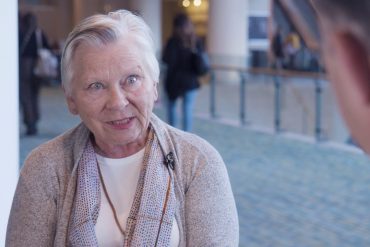
When most people talk about designing an early childhood education program, they mean the curriculum, the funding, or the program. Not Dr. Sandra Duncan. When the Design Consultant for Early Childhood Classrooms and Adjunct Professor at Nova Southeastern University talks about designing, she means it literally.
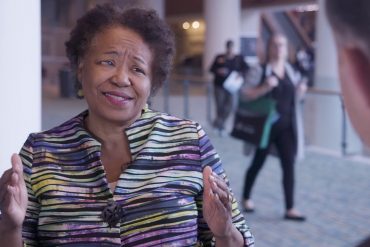
What does a culture of health look like? Dr. Gail Christopher, Executive Director of the National Collaborative for Health Equity, explains why so much of it happens outside medical system – and how bringing equal access and quality to early childhood education is a key place to start.
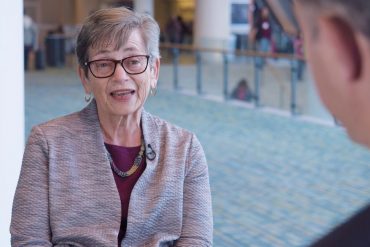
If education is so central to American success, why – as a country – don’t we invest more in the ones doing the educating? Sue Russell is Executive Director of the
T.E.A.C.H. Early Childhood National Center, which, among other efforts, provides comprehensive scholarships to the incumbent early childhood workforce – a program that has delivered more than $540MM in grants to some 165,000 educators.
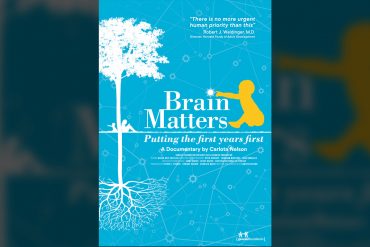
Brain Matters Documentary Attracts Global Interest
Behind the Scenes with Director Carlota Nelson
Prioritizing early childhood development, says documentary filmmaker Carlota Nelson, “Is a no-brainer,” before adding, “No pun intended.” Born in Tokyo...
As early learning science continues to deliver new insights around how children learn, the imperative next step becomes putting those learnings into the hands of people who need it most: Educators and parents. Senior Manager Erin Ramsey explains how Mind in the Making does that all across America.
In preschool and kindergarten, play – including “make believe” play – helps lay the foundation for many competences children will need for the rest of their lives. So how can we get adults out of the way? Elena Bodrova, PhD, co-founder and Tools Knowledge Advisor at Tools of the Mind, explains.
We are all more than our most challenging moments. As Ellen Galinsky, Bezos Family Foundation Chief Science Officer and Founder/Executive Director of Mind in the Making, explains, a focus on “trauma informed care” in early learning is shifting to “asset informed care.” And that process starts with looking at children in terms of their strengths.
It’s the not-so-secret secret: Higher rates of poverty occur for U.S. children in rural communities rather than urban ones. Yet delivering the benefits and tools of brain science to these areas is difficult in terms of cost, location, infrastructure. As Senior Specialist Lindsey Lockman Dougherty, Save the Children – in partnership with the Vroom Initiative – is doing something about that.
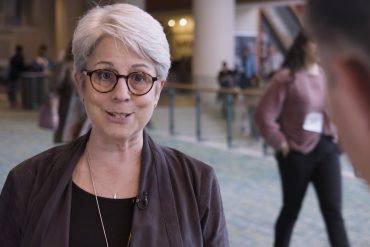
Why is training not always the best – or even sufficient – way to prepare people for the hard and important work of educating children? Executive Director Judy Jablon describes how Leading for Children helps communities develop new ways to create learning experiences wherever children are.
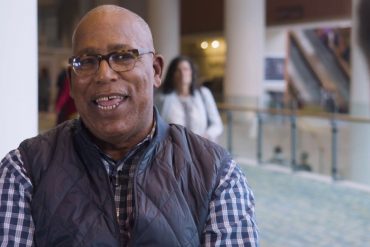
How do you build leadership in early learning? According to Maurice Sykes, Executive Director of the Early Childhood Leadership Institute, it goes beyond the usual skills and benefits from an eye towards equity and social justice: “[making] sure that children, regardless of zip code or surname or gender, have access to high quality programs.”
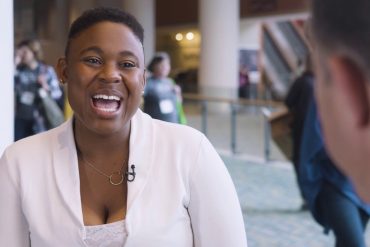
What does it take to build 24-hour childcare? It starts with a promise. It continues with commitment. And to listen to Rosa Marie, President of Marvelous Minds Academy, there’s only one way it can end: With doors opening to serve families who need it.
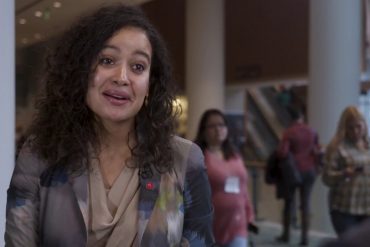
As Manica F. Ramos, Senior Research Scientist at Child Trends notes, we often forget that parents are the first and primary teacher for their child – from the moment they’re born, through their school experiences, and until the end of the day. Which is why helping parents learn how to teach in every day moments is such an important piece of a child’s early learning experience.