It’s a cruel irony of the COVID-19 (Coronavirus) pandemic: the youngest children, whose brains depend on education for healthy brain...
The roots of the word television are ancient Greek τῆλε/tele, ‘far’ and Latin visio, ‘sight’. And ever since it arrived...
A field trip inside the mind—it may sound like a psychedelic rock song, but that’s the big idea behind AlegreMENTE...
Meeting (and Teaching) Families in Unexpected Places Can Transform Cities
Grocery stores, bus stops, laundromats… what’s next?
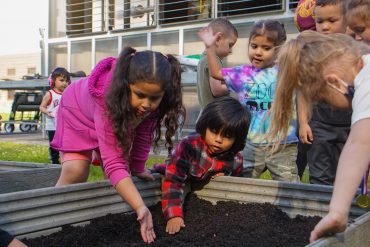
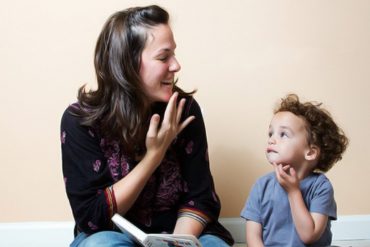
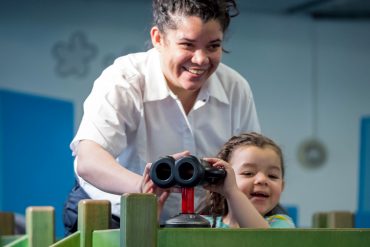
School is a great place to learn, but it’s not the only place. No matter how excellent our teachers are, no matter how enriching the curricula, school accounts for only about 20 percent of children’s waking hours. That’s why a growing number of education pioneers are building out nontraditional sites for young minds to develop their language skills and to learn about their world.
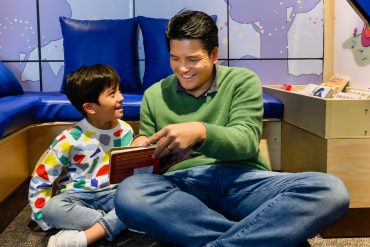
It looks like just another ordinary day at the Children’s Museum of Manhattan (CMOM). A dozen mothers and about 30...
Every spring, ZERO TO THREE’S Strolling Thunder unites the voice of parents and caregivers to remind Congress that babies matter....
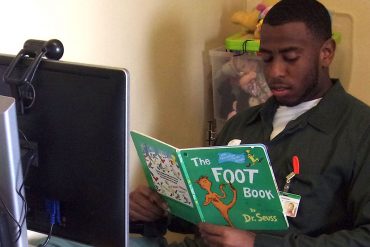
Trauma, chaos and unrelenting stress can overwhelm anyone’s ability to nurture. For incarcerated parents, these hardships often have been a...
I was a sheriff for 22 years. What I learned the most is that we must be proactive instead of reactive. Bettering our communities starts with taking care of our children.
3 Top Takeaways from the Webinar: CSSP Invites Applications for DULCE Initiative Planning Grants
Apply by August 21
Because we can’t take our Early Learning Nation Studio on the road during this time, stay tuned as ELN recaps...
In this two-part series, Elliot Haspel explores how one Oregon region mobilized to generate an innovative, next-generation plan for universal...
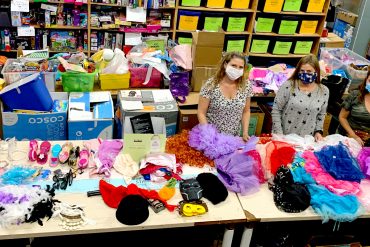
Building community in a COVID-19 world is tough. But Brooklynites are nothing if not creative, industrious and hard-wired for...
Why Don’t We Just Do That?
Over Cocktails, Restaurateurs Hatch a Plan for Literacy
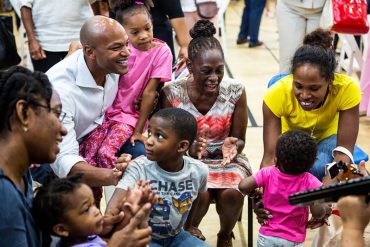
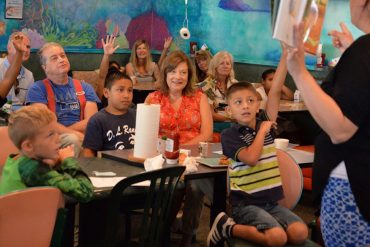
Three years ago, Amanda and John Horne, owners of Anna Maria Oyster Bar in Bradenton, Florida, heard that 51 percent of children in their local Manatee County school system couldn’t read at grade level by third grade. They were appalled.
“This was horrific,” Amanda says. “We had no idea that this was an issue.”
Over cocktails one night, Amanda and John wondered what they could do. Their clientele is largely composed of older “grandparent-type” people. They have four restaurants and a mailing list of more than 24,000 customers. What if they could pair children up with a grandparent figure or somebody who cares about them, read with them and maybe instill them with a love of reading?