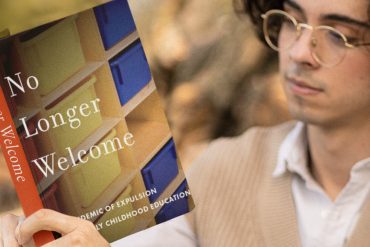

The history of racism in the United States and its ongoing impacts on children and families experiencing state-sponsored displacement are on full display in this collection edited by Dettlaff.
Economists are famously bad at predicting the future. (There’s even an old joke: Why did God create economists? To make weather forecasters look good.) Nevertheless, thinking like an economist can help prepare us for what lies ahead for our children.
Why Invest in Public Campaigns to Promote Marriage When What’s Needed Are Effective Policies?
New Two Parent Privilege Book Strikes a Nerve
Prior to becoming a mother, Emily Ford worked as a personal fitness trainer in the Salt Lake City, Utah area....
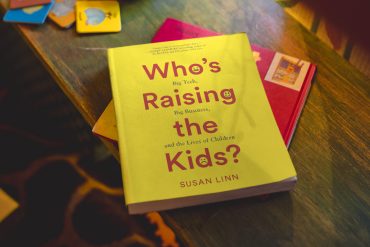
In her excellent book, Who’s Raising the Kids: Big Tech, Big Business, and the Lives of Children, Dr. Susan Linn brings this insidious behemoth to the foreground and underscores it with bright red lines.
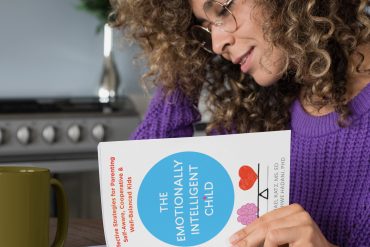
Rachael Katz (MS Ed.) and Helen Shwe Hadani (Ph.D.) are excellent companions for mothers, fathers and caregivers of young children. Their views on parenting derive from their own families, as well as extensive reading into the science of brain development.
Jaffe doesn’t blame parents of privilege—a category to which she belongs—for the terrible circumstances of other children’s lives, but she does make clear that we all have a responsibility and a role in creating and perpetuating that disparity.
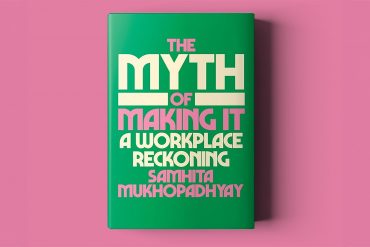
Where Should Women Channel Their Ambition?
Samhita Mukhopadhyay on The Myth of Making It in a World Set Up For Women to Fail
Four years since the COVID-19 pandemic shook U.S. workplaces and its child care systems, parents continue to engage in vital...

Essential Labor is both a memoir and a call to action. The caregiving crisis the US finds itself in now will outlast the pandemic and we must figure out ways to care for each other.
Uché Blackstock didn’t plan to become a radical physician, but the pain and death she witnessed at Kings County Hospital in Brooklyn radicalized her.
In flipping the script, Banks writes that birth is immense, that birth has existential, moral and theological significance at least as great as death.
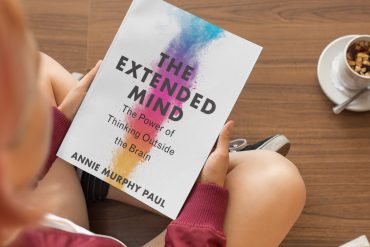
In The Extended Mind: The Power of Thinking Outside the Brain, Paul effectively makes the case that most of the metaphors we have for cognition are not useful because they allude to Western society’s assumption that thinking only happens inside the brain: the ubiquitous admonition to “use your head.”
A book intended as a catalyst for change, a call to action and marching papers for a national grassroots movement of those committed to addressing the racial, gender and economic injustices endemic to the ECE field.