

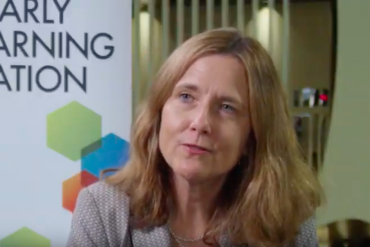
How can parents turn every day moments with their children – bath time, meal-time, even trips to the laundromat – into learning moments for their kids? Patti Miller, CEO of Too Small to Fail, explains.
The Rapid Assessment of Pandemic Impact on Development, or RAPID project, gathers essential information on unmet needs and health-promoting behaviors for...
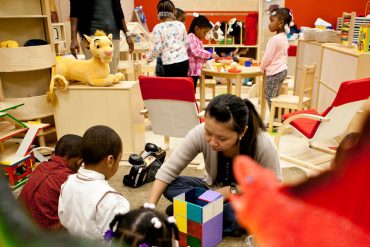
As a preschooler, Victoria Ankrah was taught in a Paterson, N.J., Head Start program where her mother was a member...

Some experts say that when it comes specifically to teaching consent, sex education for young children can be done without being explicit, and it can help kids learn about boundaries and empathy when it comes to their own bodies and the bodies of other people.

“Our health system is failing women” are the unequivocal opening words of a report issued this past spring by Early...

Early Learning Nation spoke to Aysha E. Schomburg, J.D, leader of the Children’s Bureau (part of the Administration for Children...
First, the good news. As it turns out, the so-called summer slide might not be the threat to our nation’s...
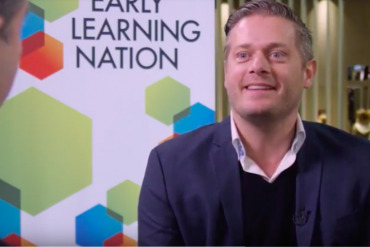
What role does play play in early learning? Kasper Ottosson Kanstrup, vice president and global head of Communities through Play at The Lego Foundation, pulls out his bag of toys, er, research and explains the science of how children learn through play.
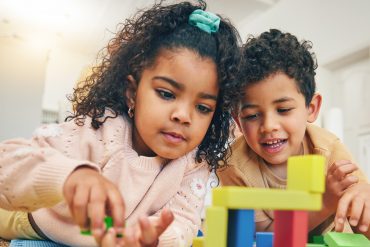
Agents in Their Own Learning
Q&A with the Play Learning Lab’s Angela Pyle
Dr. Angela Pyle is director of the Play Learning Lab at University of Toronto’s Ontario Institute for Studies in Education....
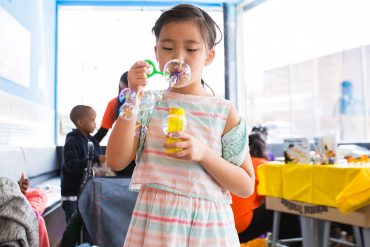
Meeting (and Teaching) Families in Unexpected Places Can Transform Cities
Grocery stores, bus stops, laundromats… what’s next?
School is a great place to learn, but it’s not the only place. No matter how excellent our teachers are, no matter how enriching the curricula, school accounts for only about 20 percent of children’s waking hours. That’s why a growing number of education pioneers are building out nontraditional sites for young minds to develop their language skills and to learn about their world.
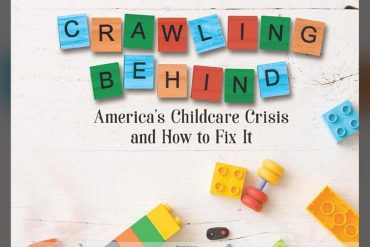
Fixing a Broken Marketplace
Talking Childcare with Elliot Haspel
Sometimes what seems like idealism at first can actually be canny realism. Case in point: Elliot Haspel’s recent book Crawling...
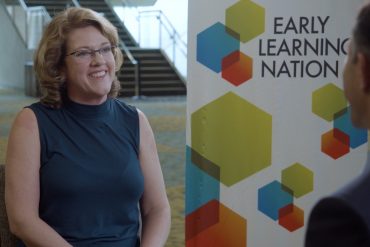
Self control. Attention. Focus. These foundational skills make up a key area of early childhood development: Self-regulation. So what can teachers, parents, caregivers –even children themselves – do to help those skills grow? Oregon State University Professor Megan McClelland explains the science and the practical things we all can do. Filmed for Early Learning Nation’s Mobile Studio at the Society for Research in Child Development’s biennial meeting in Baltimore, MD, on March 22, 2019. #SRCD19